Nursing Home Abuse Lawyers
671 Nursing Home Abuse lawyers found. Filter by state and city to find attorneys near you.

Jason A Marker, Attorney at Law
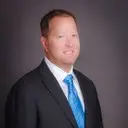
Chalik Legal

Law Offices of Jason David Levy

Taylor Legal
Greer Legal
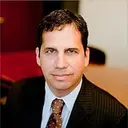
Kroot Legal
Kroot & Partners


Beeler & Associates
Fouts Law Group
Morris Legal
Nadrich Law Group
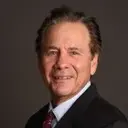
The Nadrich Firm

Pitman Injury Lawyers


Garvin Law Office

Kooi Trial Lawyers
Nursing Home Abuse Lawyers in the United States
Over 2 million cases of elder abuse are reported each year in the United States, and many more go unreported. Nursing home residents are particularly vulnerable because they depend on facility staff for daily care. A nursing home abuse lawyer fights to hold negligent facilities accountable and recover compensation for victims and their families.
What Nursing Home Abuse Law Covers
Nursing home abuse includes physical harm, emotional mistreatment, sexual abuse, financial exploitation, and neglect. Neglect is the most common form, covering situations like untreated bedsores, dehydration, medication errors, and unsanitary living conditions.
Federal law requires all nursing homes that accept Medicare or Medicaid to meet specific care standards. Facilities that violate these standards face regulatory penalties, but victims also have the right to pursue civil claims. Cases may target individual staff members, facility owners, or corporate management companies responsible for understaffing and poor training.
When to Hire a Nursing Home Abuse Lawyer
- You notice unexplained bruises, fractures, or sudden weight loss in a loved one
- A resident develops severe bedsores or infections that proper care would have prevented
- Staff members become evasive or restrict your access to a resident
- The facility retaliates after you file a complaint with state regulators
- A loved one dies unexpectedly while in a nursing home's care
How the Legal Process Works
Your attorney starts by gathering medical records, facility inspection reports, and staffing logs. State health department records are public and often reveal prior violations at the same facility. Expert witnesses — typically geriatric physicians or nursing specialists — review the evidence to establish whether the standard of care was breached.
Most nursing home abuse claims settle before trial. According to industry data, roughly 90% of personal injury cases reach a settlement. However, some cases go to trial, especially when corporate defendants refuse fair offers. The statute of limitations varies by state, typically ranging from one to three years from the date of discovery.
How Compensation Is Calculated
- Medical expenses — costs for treating injuries caused by abuse or neglect, including hospital stays, surgeries, and rehabilitation
- Pain and suffering — compensation for physical discomfort and emotional distress the victim endured
- Loss of dignity and quality of life — juries consider how the abuse affected the resident's daily existence and mental health
- Wrongful death damages — if abuse caused a resident's death, families may recover funeral costs, loss of companionship, and related financial losses
- Punitive damages — courts may award these in cases involving intentional harm or extreme recklessness to punish the facility
Frequently Asked Questions
Can I file a lawsuit if my loved one has dementia and cannot describe what happened?
Yes. Physical evidence, medical records, and witness testimony can all support a claim without the victim's direct account. A family member or legal guardian can file the lawsuit on the resident's behalf. Attorneys regularly build strong cases using facility records and expert medical analysis alone.
What if the nursing home asks us to sign an arbitration agreement?
Many facilities include arbitration clauses in their admission paperwork. These agreements attempt to prevent lawsuits by requiring disputes go through private arbitration instead of court. Some states have limited or banned mandatory arbitration in nursing home contracts. An attorney can review the agreement and determine whether it can be challenged.